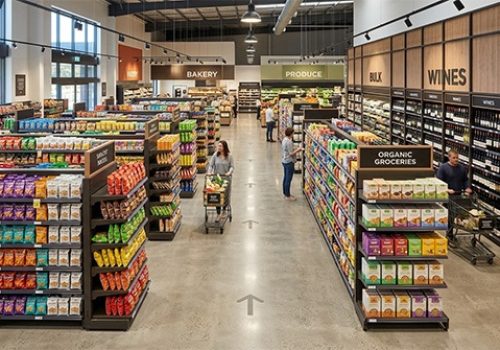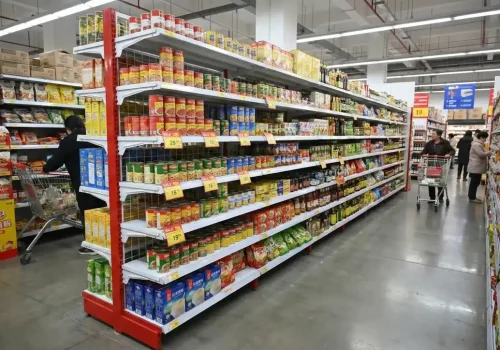
Optimizing your retail floor plan isn’t just about aesthetics; it’s about revenue per square foot. Whether you are outfitting a new supermarket or upgrading an existing chain, selecting the right custom gondola accessories and backing options is critical. As a manufacturer, we know that standard kits don’t fit every business model. You need durable, versatile solutions that highlight your products, not just store them.
Key Takeaways
- Backing Matters: Understand the cost and functional differences between Pegboard, Slatwall, and Mesh back panels.
- Accessory Ecosystem: Learn which hooks, dividers, and fences maximize product visibility.
- Load Capacity: How to calculate the weight limits for safe merchandising.
- Factory Customization: Why OEM/ODM solutions offer better ROI than generic wholesale options.
- Layout Strategy: Utilizing wall units, island runs, and end caps effectively.
Choosing the Right Gondola Backing Options
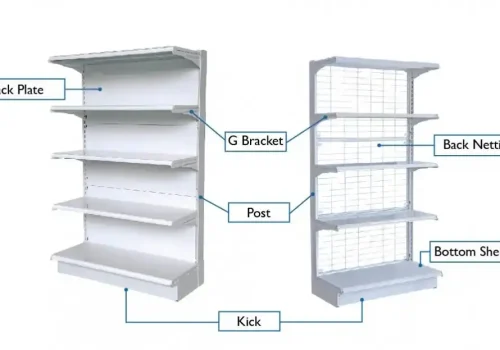
The backing of your gondola unit is the backbone of your display. It provides structural integrity and dictates which accessories you can use. While many suppliers offer a “one-size-fits-all” approach, a professional gondola shelving manufacturer offers distinct options tailored to your merchandise weight and visual requirements.
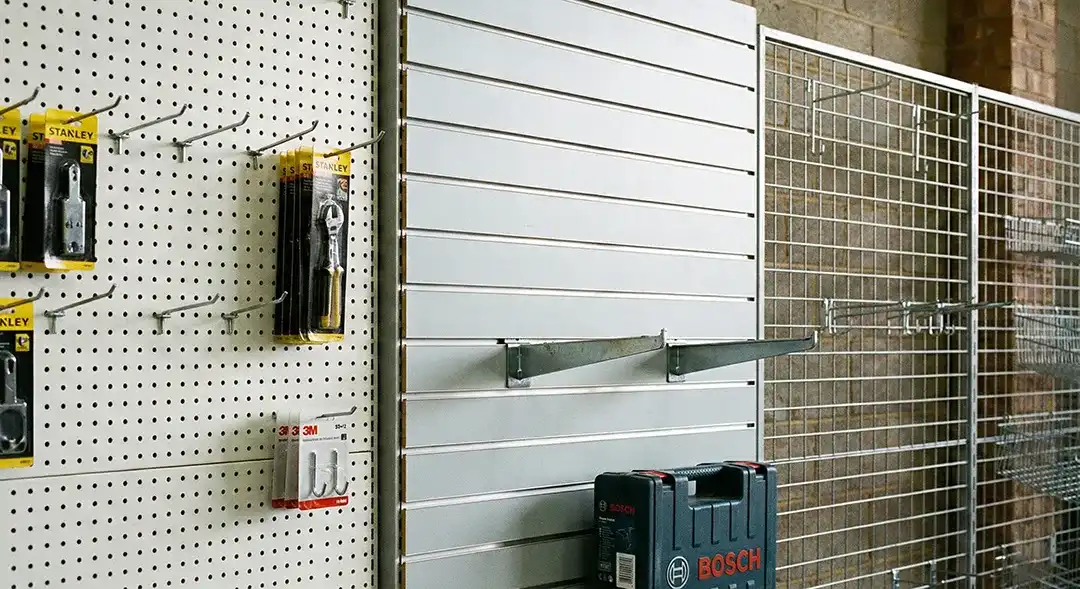
1. Pegboard Backing
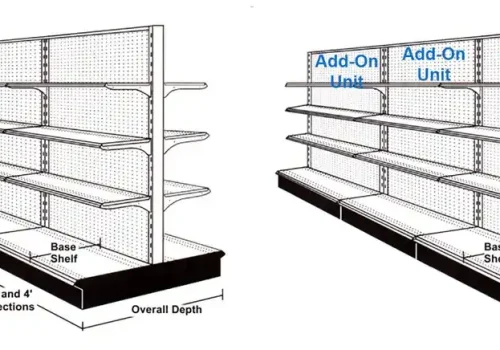
Pegboard is the most ubiquitous option in the retail world. Made from perforated hardboard or steel, it is cost-effective and versatile. If you are stocking lightweight items like blister packs, snacks, or hardware tools, pegboard allows for high-density stocking using standard peg hooks.
2. Slatwall Backing
For retailers aiming for a higher-end aesthetic, Slatwall is superior. The horizontal grooves offer stronger support than pegboard and provide a cleaner, more modern look. This is often the go-to choice for electronics, cosmetics, or apparel stores where visual appeal directly influences buyer perception.
3. Wire Mesh and Solid Backs
Wire mesh (Grid) is excellent for visibility and allows light to pass through, making stores feel larger. Solid steel backs, conversely, are the heavyweights of the industry. They offer the highest durability and are easiest to clean, making them ideal for grocery stores and pharmacies.
To help you decide, here is a comparison of the standard backing types we manufacture:
| Backing Type | Load Capacity | Aesthetic Appeal | Best For |
|---|---|---|---|
| Pegboard | Medium | Standard | Supermarkets, Hardware, Convenience Stores |
| Slatwall | High | Premium/Modern | Electronics, Clothing, Pharmacies |
| Solid Steel | Very High | Clean/Minimalist | Heavy Goods, Bulk Food, Liquor |
| Wire Grid | Medium | Open/Airy | Discount Stores, Garden Centers |
If you are unsure which material suits your environment, you might also want to explore our guide on retail shelving materials comparison to see how different materials perform in real-world scenarios.
Essential Custom Gondola Accessories for Merchandising
Once you have selected your frame and backing, the next step is customization. The right accessories transform a static shelf into a dynamic sales machine. As a factory, we see high demand for specific custom gondola accessories that solve common display headaches.
Shelving and Layer Boards
Standard metal shelves are just the beginning. You can opt for:
- Perforated Shelves: Allow dust to fall through and improve air circulation.
- Glass Shelves: Perfect for high-margin items like perfumes or collectibles.
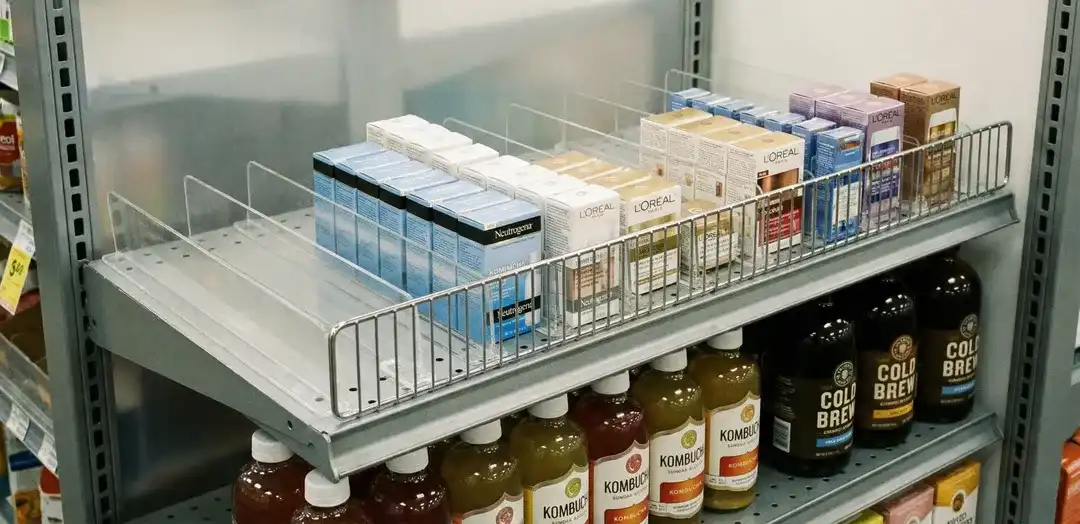
- Gravity Feed Shelves: Angled shelves that ensure products always slide to the front (ideal for beverages).
Front Fences and Dividers
Wire fences (front risers) prevent products from falling off, especially on angled shelves. Acrylic or wire dividers keep SKUs organized. If you are selling small, loose items, these are non-negotiable.
Hooks and Hanging Solutions
For pegboard or slatwall, you need industrial-grade hooks.
- Scanner Hooks: These have a plastic holder for price tags.
- Straight Hooks: Simple, effective storage for hanging merchandise.
- Heavy-Duty Utility Hooks: For hanging heavier items like gardening tools or automotive parts.
Understanding Gondola Configurations: Wall vs. Island
Knowing your components is half the battle; arranging them is the other half. Efficient store planning relies on how you configure these units.
Wall Units (Single-Sided)
These are anchored against the perimeter of your store. They are typically taller (up to 96 inches or more) to maximize vertical storage without blocking sightlines in the center of the store. Learn more about optimizing single-sided wall gondola units for maximum vertical storage.
Island Units
These freestanding units create the aisles in your store. They capture customer attention from both directions. A critical “Pro Tip” for wholesalers: Ensure your island units have sturdy Base Shoes and Uprights. Since they are not anchored to a wall, structural stability is paramount to prevent tipping. For layout strategies, explore our guide on double-sided gondola systems.
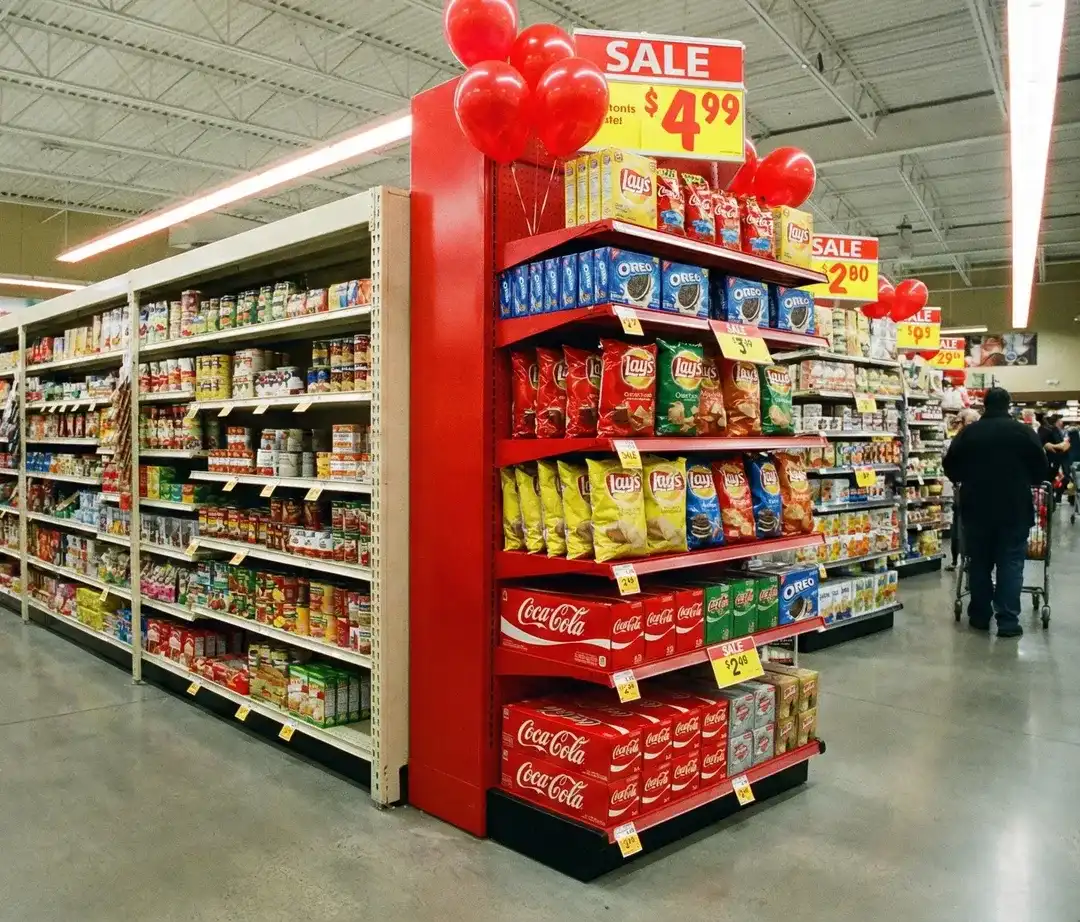
End Caps (The Hot Spot)
The End Cap is the unit placed at the end of an aisle. It is prime real estate for promotions. Customizing your end caps with unique colors or branding (using our ODM services) can increase product turnover by up to 30% compared to inline shelving. Discover creative merchandising ideas in our end cap display solutions catalog.
For comprehensive store planning, read our gondola layout planning guide.
Technical Specs: Sizing and Load Capacity
When ordering bulk gondola shelving, you must be precise with specifications to avoid costly returns or safety hazards.
Standard Dimensions
- Width: The most common section widths are 36″ and 48″.
- Depth: Shelf depths usually range from 12″ to 24″. A “Base Deck” is typically deeper than the upper shelves to maintain balance.
- Height: Ranges from 36″ (counter height) to 96″+.
For detailed measurements and industry standards, refer to our gondola shelving dimensions guide.
Weight Ratings
Not all steel is created equal. We use high-grade cold-rolled steel for our uprights.
- Light Duty: ~200 lbs per shelf (UDL – Uniform Distributed Load).
- Heavy Duty: ~500+ lbs per shelf.
Warning: Always calculate the total weight of your merchandise before ordering. Overloading shelves causes “deflection” (bowing) and can lead to collapse. As a supplier, we can provide certified load testing reports for your peace of mind.
Why Choose Spieth a Manufacturer for Custom Solutions?
You might ask, “Why shouldn’t I just buy from a local distributor?”
When you work directly with a gondola shelving factory, you bypass the middleman markups. More importantly, you unlock OEM/ODM capabilities. Do you need a specific “RAL” color to match your brand identity? Do you need a custom-sized wire basket for a unique product?
Distributors sell what they have in stock. Manufacturers build what you actually need. We control the powder coating quality, the steel thickness, and the packaging safety. For large-scale rollouts or franchise supplies, direct sourcing is the only way to guarantee consistency and maintain healthy profit margins.
Contact Us for Your Custom Shelving Needs
Your retail space is your most valuable asset. Don’t settle for generic fixtures that limit your merchandising potential. Whether you need a specific custom gondola accessory, a unique backing option, or a complete store layout designed from scratch, we have the manufacturing capacity to deliver.
Reach out to our engineering team today. We provide free consultations, 3D layout designs, and competitive wholesale pricing for bulk orders.