Choosing the right material for retail shelving directly impacts your store’s operational costs, product presentation, and long-term durability. This guide breaks down the performance differences between steel, wire, and wood shelving to help you make a data-driven purchasing decision.
Key Takeaways
- Steel retail shelving offers the highest load capacity (up to 500 lbs per shelf) and longest lifespan (15-25 years), making it ideal for grocery stores, warehouses, and high-traffic retail environments
- Wire shelving provides superior ventilation and visibility, reducing product spoilage in cold storage by up to 23% compared to solid surfaces
- Wood shelving delivers the highest perceived product value, with studies showing customers willing to pay 12-18% more for items displayed on natural wood fixtures
- Total cost of ownership varies dramatically: steel costs 40% less than wood over a 10-year period when factoring in maintenance and replacement
- Hybrid configurations combining multiple materials can optimize both functionality and aesthetics while controlling budget
Why Material Selection Matters for Retail Shelving Performance
The material you choose for store fixtures affects far more than aesthetics. Your retail shelving system influences inventory management efficiency, customer shopping behavior, and your bottom line.
According to a 2023 retail operations survey, stores that upgraded to appropriate shelving materials reported:
- 15% reduction in product damage
- 22% improvement in restocking speed
- 8% increase in average transaction value
The challenge lies in matching material properties to your specific retail environment. A convenience store has vastly different requirements than a boutique clothing shop or industrial supply warehouse.
Steel Retail Shelving
Construction and Durability Characteristics
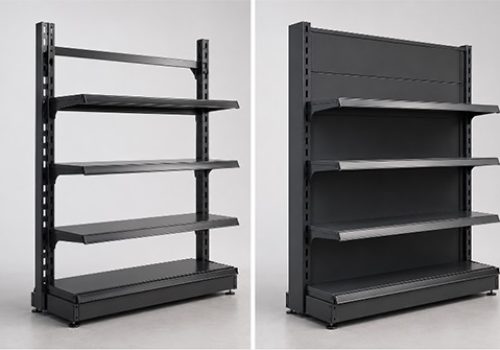
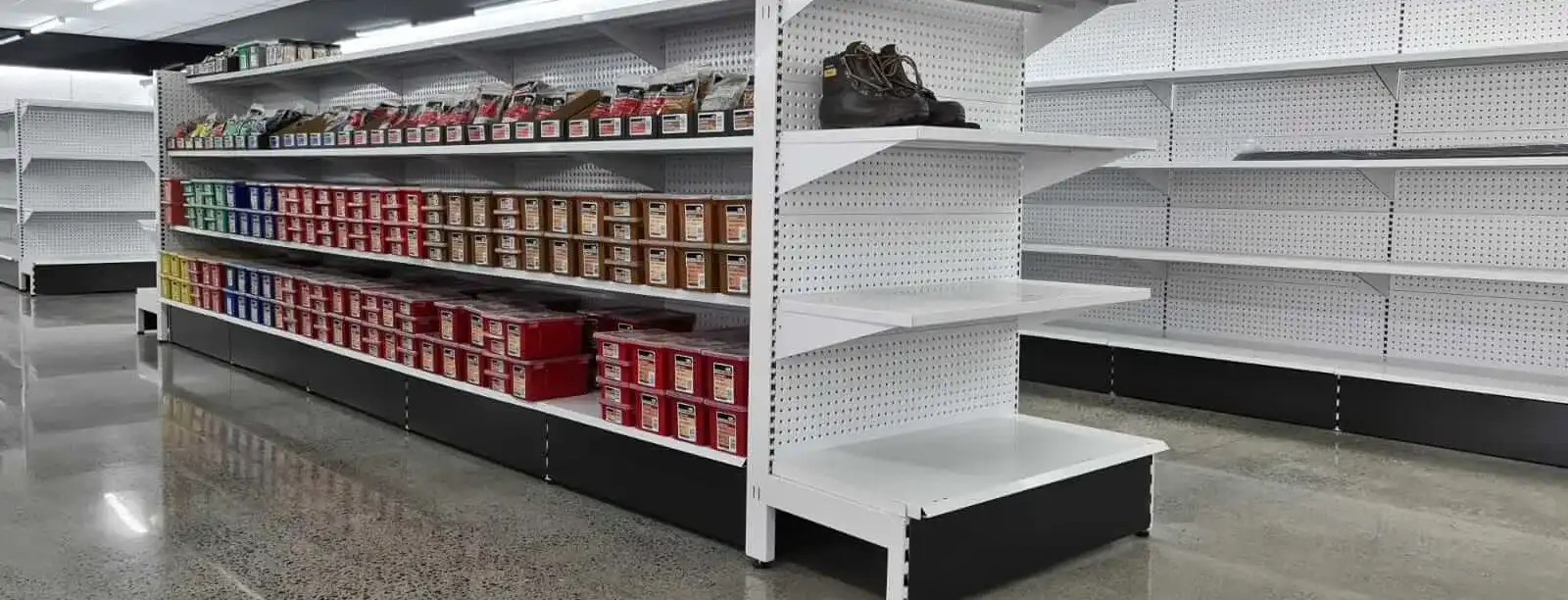
Steel shelving dominates commercial retail environments for good reason. Cold-rolled steel construction provides exceptional structural integrity while maintaining relatively low material costs at scale.Steel retail shelving typically features:
- 18-22 gauge steel thickness for standard applications
- Powder-coated or galvanized finishes for corrosion resistance
- Adjustable shelf heights in 1-inch increments
- Modular designs allowing configuration changes
| Steel Gauge | Shelf Width | Maximum Load Capacity | Recommended Use |
|---|---|---|---|
| 18 gauge | 36 inches | 500 lbs | Heavy merchandise, bulk goods |
| 20 gauge | 36 inches | 350 lbs | General retail, packaged goods |
| 22 gauge | 36 inches | 200 lbs | Light merchandise, apparel |
Applications for Steel Shelving
Grocery and supermarket environments where shelving must support heavy canned goods, beverages, and bulk items. The non-porous surface meets food safety regulations and simplifies cleaning protocols.
Hardware and auto parts stores benefit from steel’s ability to handle concentrated weight loads from tools, equipment, and heavy components without warping or structural fatigue.
Warehouse retail operations like club stores require the industrial-grade durability that only steel provides. These environments demand shelving that withstands forklift loading and constant heavy use.
For retailers seeking heavy-duty gondola shelving solutions, steel construction remains the most reliable choice for demanding applications.
Steel Shelving Disadvantages
- Higher initial weight complicates installation and reconfiguration
- Susceptible to scratches that expose underlying metal to corrosion
- Industrial appearance may not suit upscale retail environments
- Temperature conductivity can affect product display in climate-controlled settings
Wire Retail Shelving
Design Advantages of Wire Construction
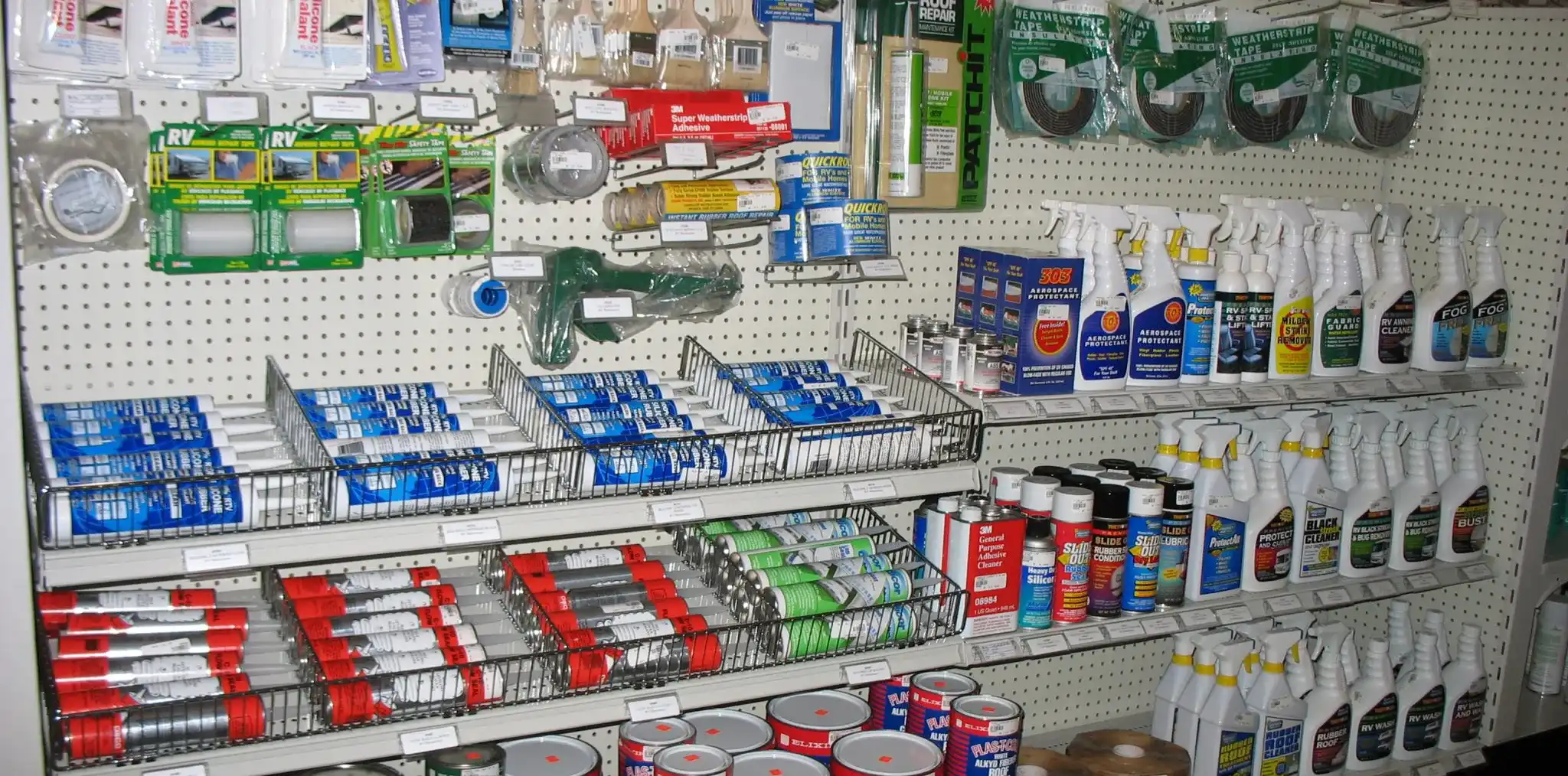
Wire shelving uses welded steel wire in grid patterns, creating an open structure that offers unique benefits for specific retail applications.The open-wire design provides:
- 360-degree air circulation around products
- Light penetration to lower shelf levels
- Visual inventory monitoring without handling products
- Reduced dust accumulation on shelf surfaces
Performance Data
A 2022 study conducted across 47 convenience stores compared product spoilage rates between wire and solid shelving in refrigerated display cases:
| Product Category | Solid Shelf Spoilage | Wire Shelf Spoilage | Reduction |
|---|---|---|---|
| Dairy products | 4.2% | 3.1% | 26% |
| Fresh produce | 8.7% | 6.8% | 22% |
| Prepared foods | 5.1% | 4.0% | 22% |
Retail Environments for Wire Shelving
Refrigerated and freezer display applications benefit most from wire construction. The open design allows cold air to circulate evenly, maintaining consistent product temperatures.
Backroom storage areas in retail operations use wire shelving extensively. The visibility helps staff locate inventory quickly, while ventilation prevents moisture buildup that damages packaging.
Pharmacy and health product displays often utilize wire shelving for its clean appearance and easy sanitization. Healthcare retail environments require surfaces that can be disinfected without harboring bacteria in seams or joints.
Retailers looking for versatile storage solutions often find that wire rack systems provide the flexibility needed for changing inventory requirements.
Wire Shelving Disadvantages
- Small items can fall through grid openings without shelf liners
- Lower maximum load capacity compared to solid steel
- Wire patterns may create uneven product placement
- Some customers perceive wire as “budget” or “warehouse” aesthetic
Wood Retail Shelving
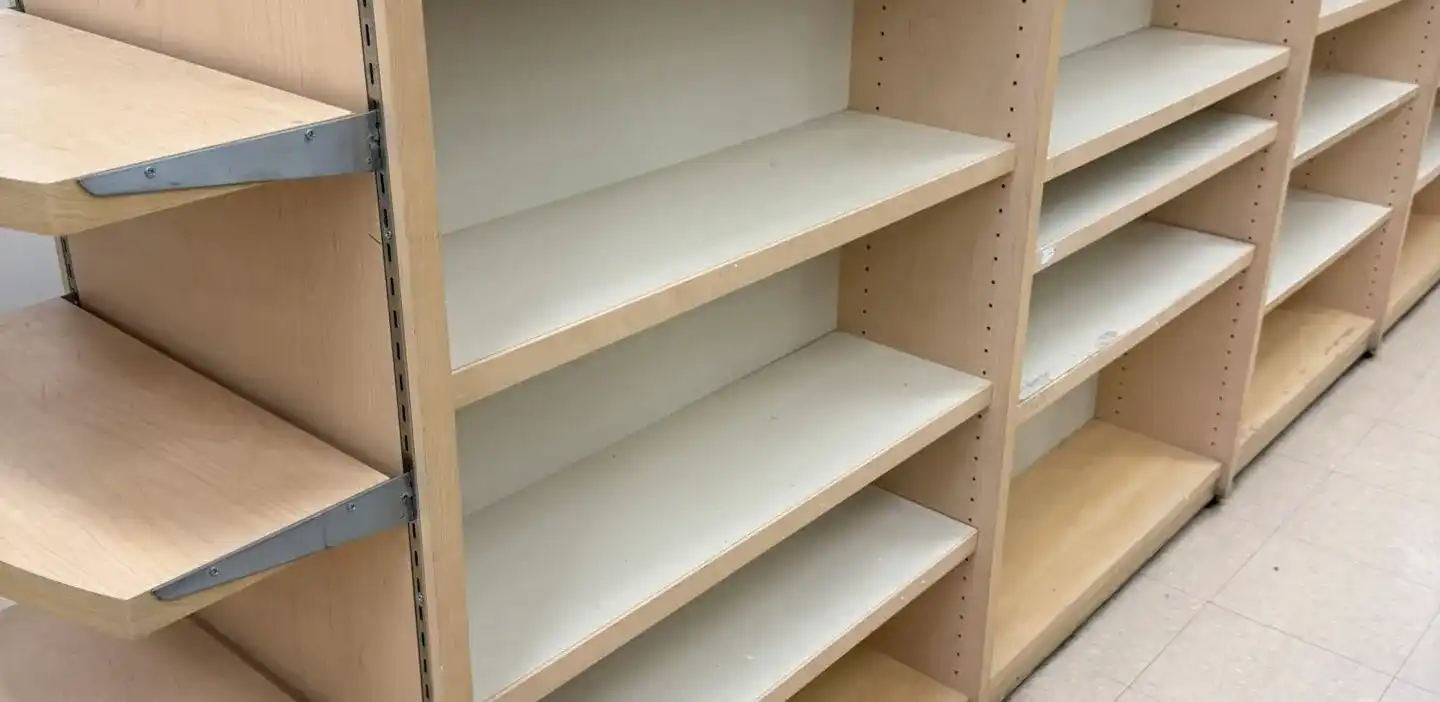
Wood shelving creates emotional connections with shoppers that metal alternatives cannot replicate. Neuroscience research indicates that natural materials activate different brain regions than synthetic surfaces, generating feelings of warmth, authenticity, and quality.Retail studies demonstrate measurable impacts:
- Customers spend 24% more time browsing wood fixture displays
- Perceived product quality increases 15-20% on natural wood surfaces
- Willingness to pay premium prices rises significantly in wood-accented environments
Wood Species Comparison for Retail Applications
| Wood Type | Hardness (Janka) | Cost Index | Best Use Case |
|---|---|---|---|
| Oak | 1,290 | $$$ | High-end apparel, jewelry |
| Maple | 1,450 | $$$ | Cosmetics, specialty foods |
| Pine | 690 | $ | Rustic retail, farm stores |
| Plywood/MDF | N/A | $ | Budget displays, temporary fixtures |
Advantages of Wood Shelving
Boutique and specialty retail environments leverage wood’s aesthetic appeal to justify premium pricing. Clothing boutiques, gift shops, and artisan goods stores frequently specify wood fixtures.
Natural and organic product retailers align their brand values with wood shelving materials. The connection between natural materials and natural products reinforces marketing messages.
Wine and spirits displays traditionally feature wood shelving. The material association with wine barrels and craft distilling creates appropriate product context.
Wood Shelving Disadvantages
- Moisture sensitivity – humidity changes cause warping and cracking
- Maintenance requirements – periodic refinishing necessary for appearance
- Fire code compliance – some jurisdictions restrict wood fixtures
- Weight limitations – solid wood shelving has lower load capacity than steel
- Cost – initial investment and lifecycle costs exceed metal alternatives
Total Cost of Analysis
Initial purchase price represents only a fraction of shelving investment. This analysis incorporates acquisition, installation, maintenance, and replacement costs for a standard 100-linear-foot retail shelving installation:
| Cost Factor | Steel | Wire | Wood |
|---|---|---|---|
| Initial purchase | $8,500 | $6,200 | $14,800 |
| Installation labor | $1,200 | $800 | $2,400 |
| Annual maintenance | $150 | $100 | $600 |
| Expected replacements (10 yr) | 0 | 0.5 | 1 |
| Replacement cost | $0 | $3,100 | $14,800 |
| 10-Year Total | $11,200 | $11,100 | $38,200 |
Steel and wire deliver comparable long-term value, while wood costs approximately 3.4 times more over a decade.
ROI Considerations Beyond Direct Costs
Revenue impact – If wood shelving increases average transaction value by 12% in appropriate retail contexts, the premium may generate positive ROI despite higher costs.
Brand alignment – Discount retailers using premium wood fixtures create cognitive dissonance. Budget-focused steel shelving reinforces value positioning.
Flexibility value – Modular steel systems allow configuration changes without new purchases. Retailers anticipating layout changes should factor reconfiguration costs.
Material Selection Framework by Retail Segment
| Retail Type | Primary Recommendation | Secondary Option | Avoid |
|---|---|---|---|
| Grocery/Supermarket | Steel | Wire (refrigerated) | Wood |
| Convenience Store | Wire | Steel | Wood |
| Apparel Boutique | Wood | Steel (backroom) | Wire |
| Hardware Store | Steel | Wire (fasteners) | Wood |
| Pharmacy | Wire | Steel | Wood |
| Specialty Food | Wood | Steel | Wire |
| Electronics | Steel | Wood (premium) | Wire |
| Warehouse Club | Steel | Wire | Wood |
Steel, Wire, Wood Hybrid Approaches
Many retailers combine materials strategically:
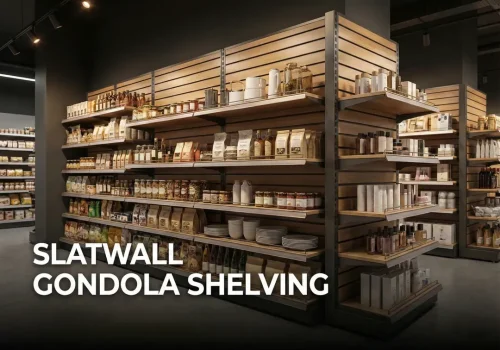
Front-of-store wood with back-of-store steel balances customer experience with operational efficiency. Customers see premium fixtures while staff work with durable, functional shelving.
Steel frames with wood facing provides structural reliability while presenting warm aesthetics. This approach captures wood’s visual benefits at reduced cost.
Wire inserts in steel gondolas offer ventilation for specific product categories within standard steel fixture runs.
For retailers seeking customized shelving solutions, consulting with Spieth supermarket shelving manufacturers can help determine the best combination of materials to meet specific needs.
Installation and Maintenance Considerations
| Factor | Steel | Wire | Wood |
|---|---|---|---|
| Assembly time (per unit) | 25 min | 15 min | 45 min |
| Tools required | Basic | Basic | Specialized |
| Professional installation recommended | Optional | No | Yes |
| Floor anchoring required | Usually | Sometimes | Always |
Maintenance Requirements
Steel shelving requires minimal maintenance. Annual inspection for loose fasteners and touch-up paint for scratches maintains appearance and function. Clean with standard retail cleaning solutions.
Wire shelving needs periodic inspection of weld points and coating integrity. Chrome finishes may show water spots requiring polishing in customer-facing applications.
Wood shelving demands ongoing attention. Quarterly inspections for cracks, warping, or finish deterioration prevent small issues from becoming structural problems. Annual refinishing maintains appearance in high-traffic areas.
Environmental and Sustainability Factors
Steel offers excellent recyclability (nearly 100% recoverable) and contains significant recycled content in production. Long lifespan reduces replacement frequency.
Wire shares steel’s recyclability advantages with lower material usage per unit. Lighter weight reduces transportation emissions.
Wood from certified sustainable sources (FSC, SFI) provides renewable material options. However, shorter lifespan and refinishing chemical requirements offset some environmental benefits.
Frequently Asked Questions
What is the most durable material for retail shelving?
Steel provides the highest durability for retail shelving applications, with properly maintained units lasting 15-25 years in commercial environments. Heavy-gauge steel construction resists impacts, heavy loads, and daily wear that would damage other materials. For high-traffic stores with heavy merchandise, steel remains the most reliable long-term investment.
How much weight can retail shelving hold?
Weight capacity varies significantly by material and construction. Standard 18-gauge steel shelving supports 400-500 pounds per shelf. Wire shelving typically handles 200-350 pounds depending on wire gauge and shelf size. Wood shelving capacity ranges from 100-250 pounds based on species, thickness, and span width. Always verify manufacturer specifications for your specific products.
Is wood or metal shelving better for retail stores?
The better choice depends on your retail context. Metal shelving suits grocery stores, hardware retailers, and high-volume environments requiring durability and easy maintenance. Wood shelving works best for boutiques, specialty retailers, and premium product displays where aesthetics drive purchasing decisions. Many retailers use both materials strategically in different store zones.
How do you maintain retail store shelving?
Maintenance requirements vary by material. Steel shelving needs quarterly inspections for loose hardware and annual touch-up for scratches. Wire shelving requires checking weld integrity and cleaning chrome surfaces monthly. Wood shelving demands the most attention: inspect quarterly for warping or cracks, clean weekly with appropriate wood cleaners, and refinish annually in high-traffic areas.
What type of shelving is best for grocery stores?
Steel gondola shelving dominates grocery retail for good reason. It handles heavy canned goods and beverages without structural fatigue, meets food safety regulations with non-porous surfaces, and provides decades of reliable service. Wire shelving works well in refrigerated sections where air circulation reduces spoilage. Wood is generally unsuitable for grocery environments due to moisture sensitivity and sanitation challenges.
How long does retail shelving last?
Lifespan depends heavily on material choice and maintenance. Steel shelving typically lasts 15-25 years in commercial retail environments. Wire shelving provides 10-15 years of service with proper care. Wood shelving requires replacement every 7-12 years, though premium hardwoods with excellent maintenance may extend this range. Environmental factors like humidity, temperature fluctuations, and usage intensity affect all materials.
Make the Right Material Decision for Your Retail Shelving
Selecting retail shelving materials requires balancing durability requirements, aesthetic goals, and budget constraints. Steel delivers unmatched longevity and load capacity for demanding retail environments. Wire provides specialized benefits for refrigerated display and storage applications. Wood creates premium shopping experiences that justify higher investment in appropriate contexts.
Spieth manufactures commercial-grade retail shelving in steel, wire, and custom configurations designed for demanding retail environments. With over 10 years of experience supplying retailers across grocery, convenience, and specialty segments, Spieth provides technical consultation to help you specify the right materials for your specific requirements.
Contact Spieth today to discuss your retail shelving project. Our engineering team can provide load capacity calculations, material recommendations, and custom configuration options tailored to your store layout and merchandise requirements.